WORKFORCE FINANCE
At Zaria Court, Fixa's platform handled 1,000+ workers, $700K+ in payroll, and gave 65% of workers early wage access. Here's how it worked in practice.
Fixa
•
4 min read
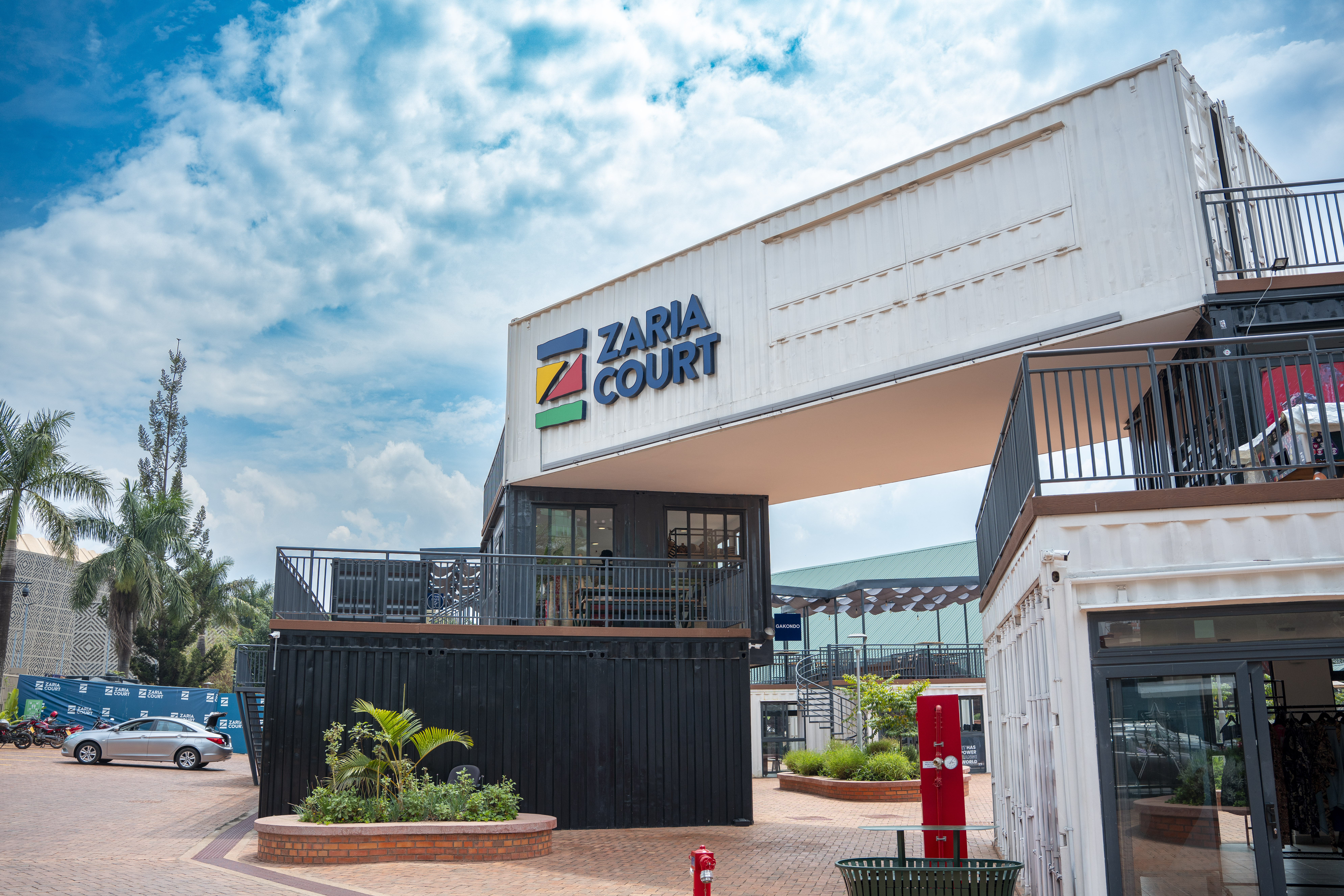
What Managing 1,000 Construction Workers Actually Looks Like
Construction payroll is harder than it sounds. Workers rotate on and off site. Some are paid daily, others weekly. Most don't have bank accounts. Many don't own smartphones. And if anything goes wrong with a payment, the site manager hears about it in person, immediately.
Zaria Court was a real test of whether digital payroll infrastructure could hold up under those conditions. It did.
Fixa's platform managed the entire workforce across the project, from onboarding through to final payment. More than 1,000 workers were brought onto the system, each one given a digital profile that could be used across every stage of the engagement: identity verification, attendance management, and payroll.
Building a Digital Record for Workers Who've Never Had One
For a large share of Africa's informal economy, formal financial services are either inaccessible or simply haven't reached them yet [1]. A bank account requires documentation. Insurance requires a policy number. Earned wage access requires a payroll record. Workers who move between sites and employers often have none of these.
At Zaria Court, Fixa's KYC validation process created verified digital identities for over 1,000 workers, many for the first time. That profile isn't just an admin record. It's what makes every downstream benefit possible: accessing wages early, enrolling in insurance, and building a verifiable work history.
Creating that infrastructure once means it travels with the worker. The next site they move to, that profile already exists.
Payroll Without Smartphones or Bank Accounts
The operational question every site manager on a project this size faces is straightforward: how do you pay this many people accurately, on time, and without relying on cash?
Cash distribution at scale is slow, error-prone, and creates real security risks on site. But digital payroll that assumes a smartphone and a bank account leaves most of the blue-collar workforce behind.
Fixa's platform was built for exactly this gap. Payments move through mobile money, which means workers can receive and access funds through a basic handset, without a bank account, without an internet connection, and without needing to be physically present at a pay window [2].
At Zaria Court, more than $700,000 in salaries was disbursed accurately across the workforce. That figure covers wages that moved through the system cleanly, tracked against attendance records, and landed with the right worker.
65% of Workers Used Early Wage Access
One of the clearest signals that something is working is when workers actually use it.
At Zaria Court, 65% of the workforce accessed their earned wages before payday through Fixa's EWA feature. That's not a marginal take-up rate. It reflects real financial pressure that informal sector workers face between pay cycles, and the fact that accessing wages early through the platform was straightforward enough for most of the workforce to do it.
Earned Wage Access isn't a perk layered on top of payroll. In a context where a worker might need funds for transport, food, or a family emergency mid-week, access to wages already earned is a practical tool. The alternative, for many workers, is a loan at high interest or going without.
What the Zaria Court Engagement Demonstrates
For organizations managing construction or blue-collar workforces at scale, Zaria Court shows what modern workforce management looks like when it's designed around the actual conditions on the ground.
Workers got digital profiles, access to insurance, and the ability to draw on earned wages between pay cycles. The site got accurate payroll, attendance records tied to each worker, and the ability to manage over 1,000 people through one system rather than a combination of spreadsheets and cash envelopes.
The technology handled the complexity. The workers got what they were owed, when they needed it.
Sources
[1] GSMA, The State of Mobile Internet Connectivity Report, https://www.gsma.com/r/somic/
[2] GSMA Mobile Money, Mobile Money for the Unbanked, https://www.gsma.com/mobilemoneyapi/